


Webflow to WordPress migration and modular website build for a corrosion monitoring technology company.
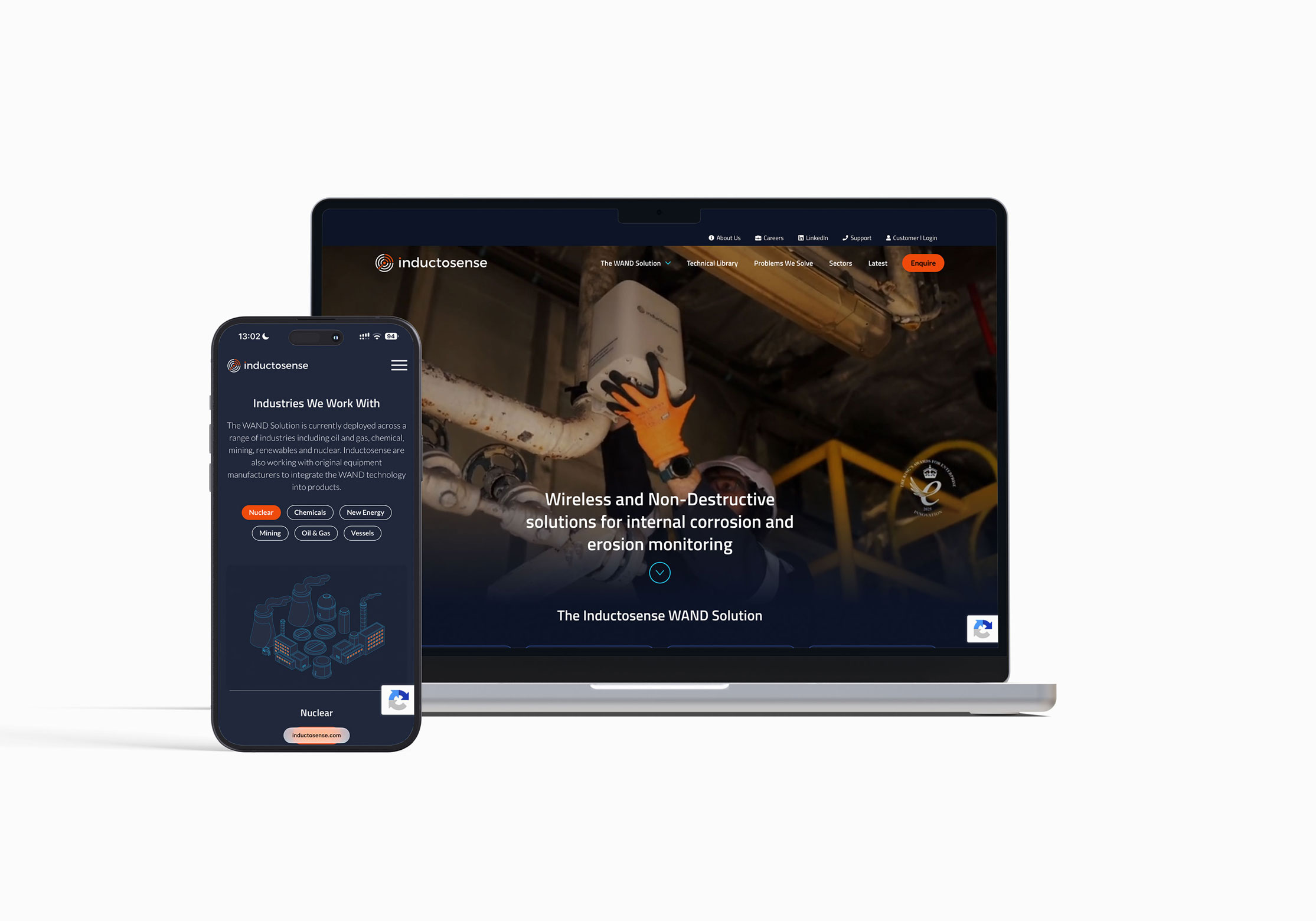
Inductosense builds wireless, non-destructive monitoring technology that tells industrial operators what is happening inside their assets, without anyone having to climb, strip insulation or shut anything down.
Its WAND system uses permanently installed sensors to track internal corrosion and erosion in pipework, vessels and structures across oil and gas, chemical processing, mining, nuclear and renewables. Customers include some of the largest operators in the world. The technology replaces a slow, expensive, manual inspection process with something cheaper, safer and far easier to run.
Challenge.
Inductosense is not selling a better version of something the market already buys. It is selling a different way of doing the job. That changes what the website has to do.
- Explaining a category that does not exist yet. Buyers arrive with a mental model built around manual inspection. The site has to move them from "how does this compare to what we do now" to "why would we keep doing it the old way", and the language that achieves that keeps evolving as the market learns.
- A Webflow site that resisted change. In principle the team could edit it themselves. In practice it meant a learning curve and a lot of fiddling to make a change stick. For a small marketing team moving quickly, that is not a workable arrangement, and it quietly discourages the experimentation a new category depends on.
- A disconnect between the stand and the site. Exhibitions and trade shows are a primary channel in industrial engineering. A prospect has a conversation on the stand, then looks the company up that evening. If the site tells a different story to the one they just heard, the momentum is gone. Consistency across the two is not a nice to have, it is the whole point of being there.
Positioning was moving faster than the website could follow.
Solution.
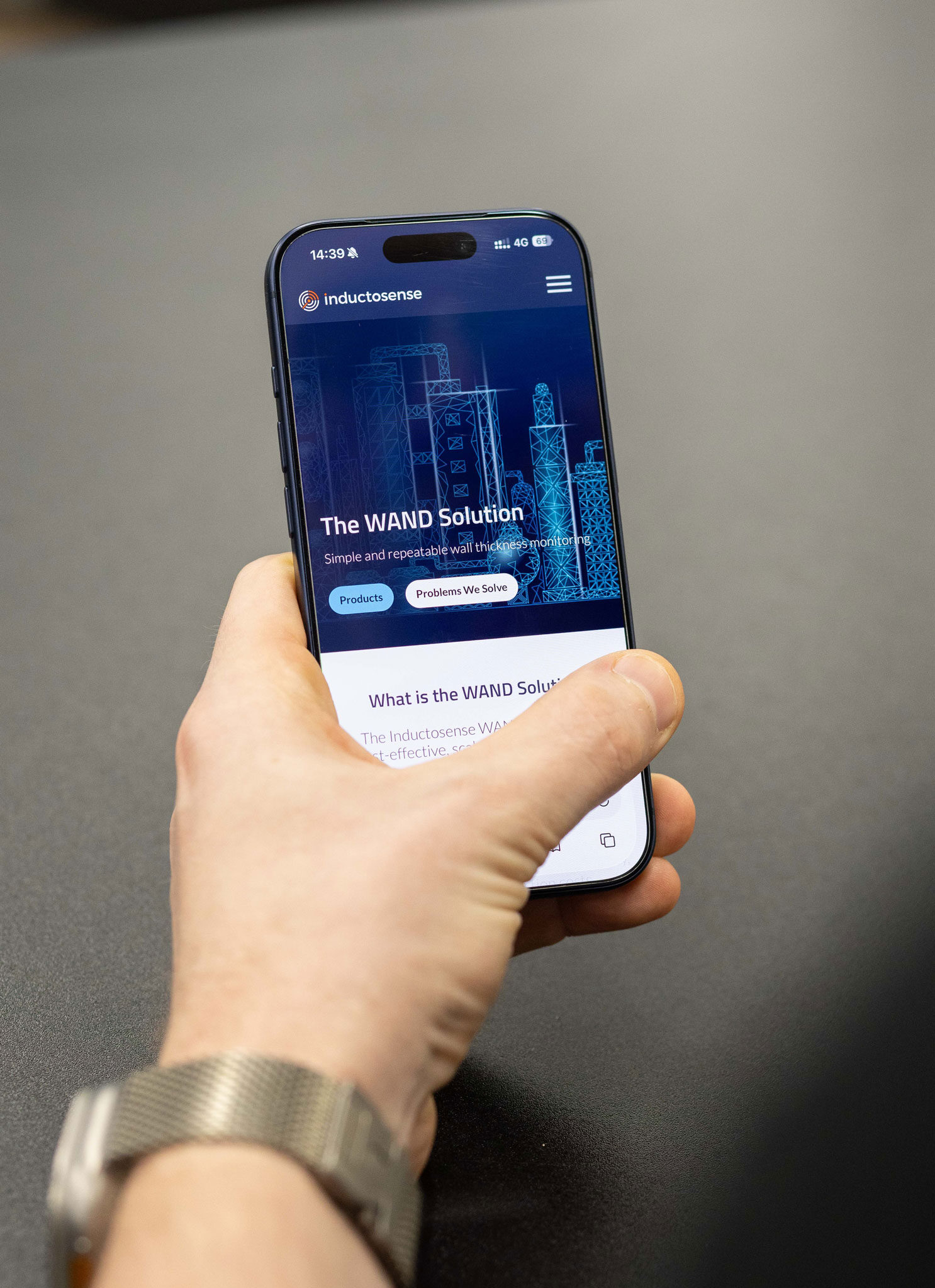
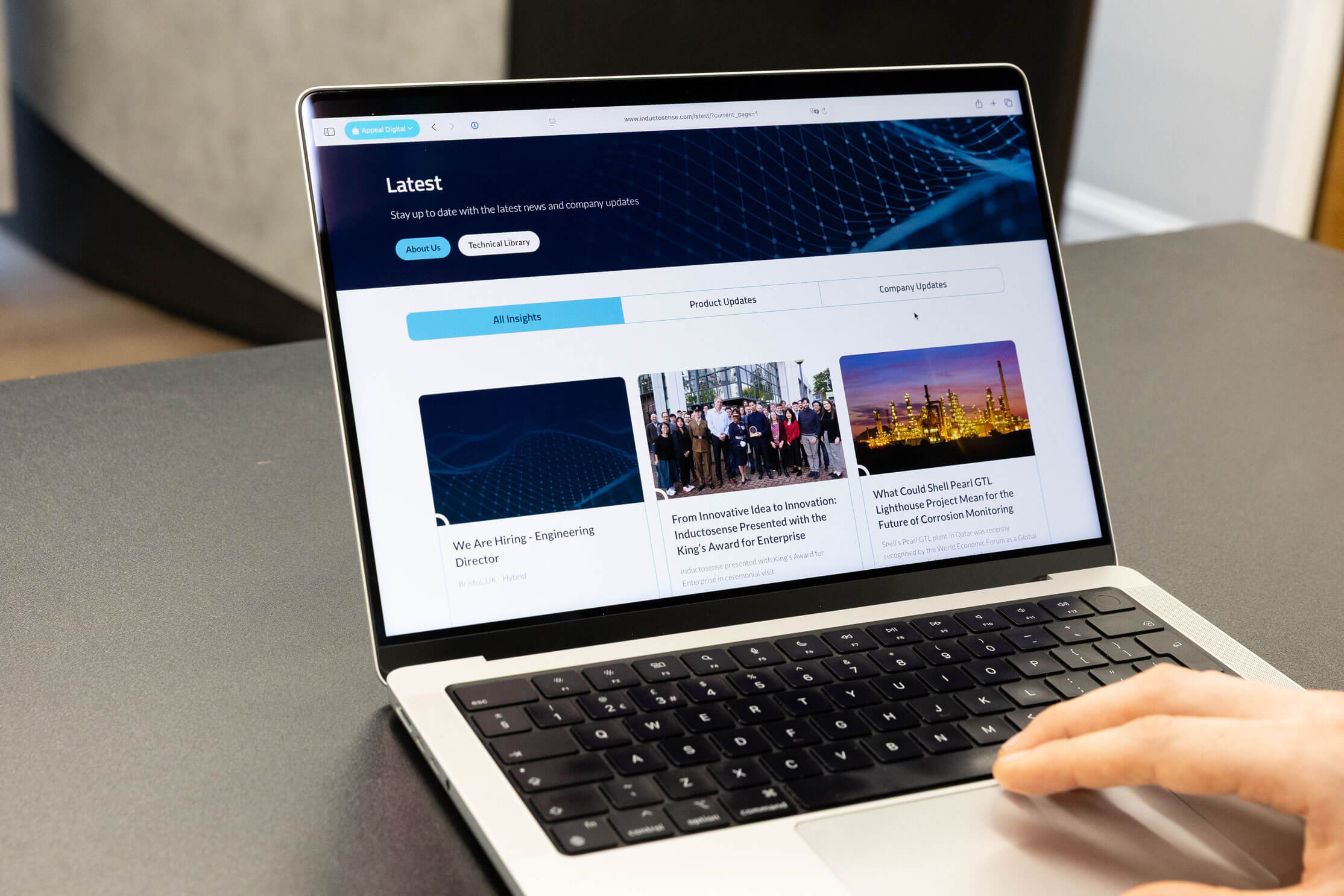
A modular platform, not a templated one. We built a new WordPress site with the layouts and UI features assembled as components inside the block editor. The marketing team builds and rearranges pages directly. No learning curve to climb every time and no developer in the loop.
A site that keeps pace with the positioning. Because the messaging is always being sharpened, the structure had to allow for that. Reframing a proposition, testing a new angle for a particular sector or reordering how the argument is made is now a morning’s work rather than a project. The website adapts as the market's understanding of the category matures.
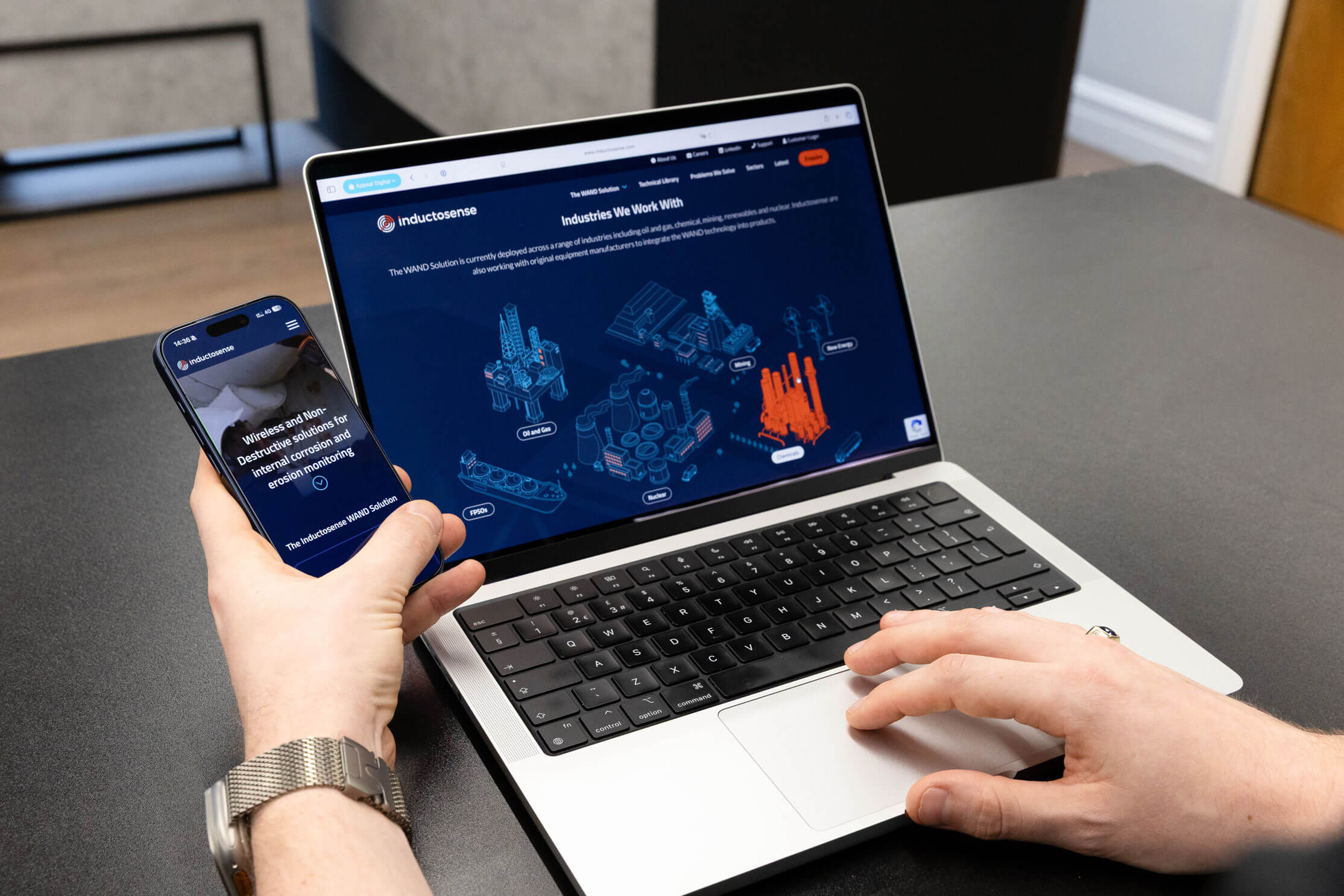
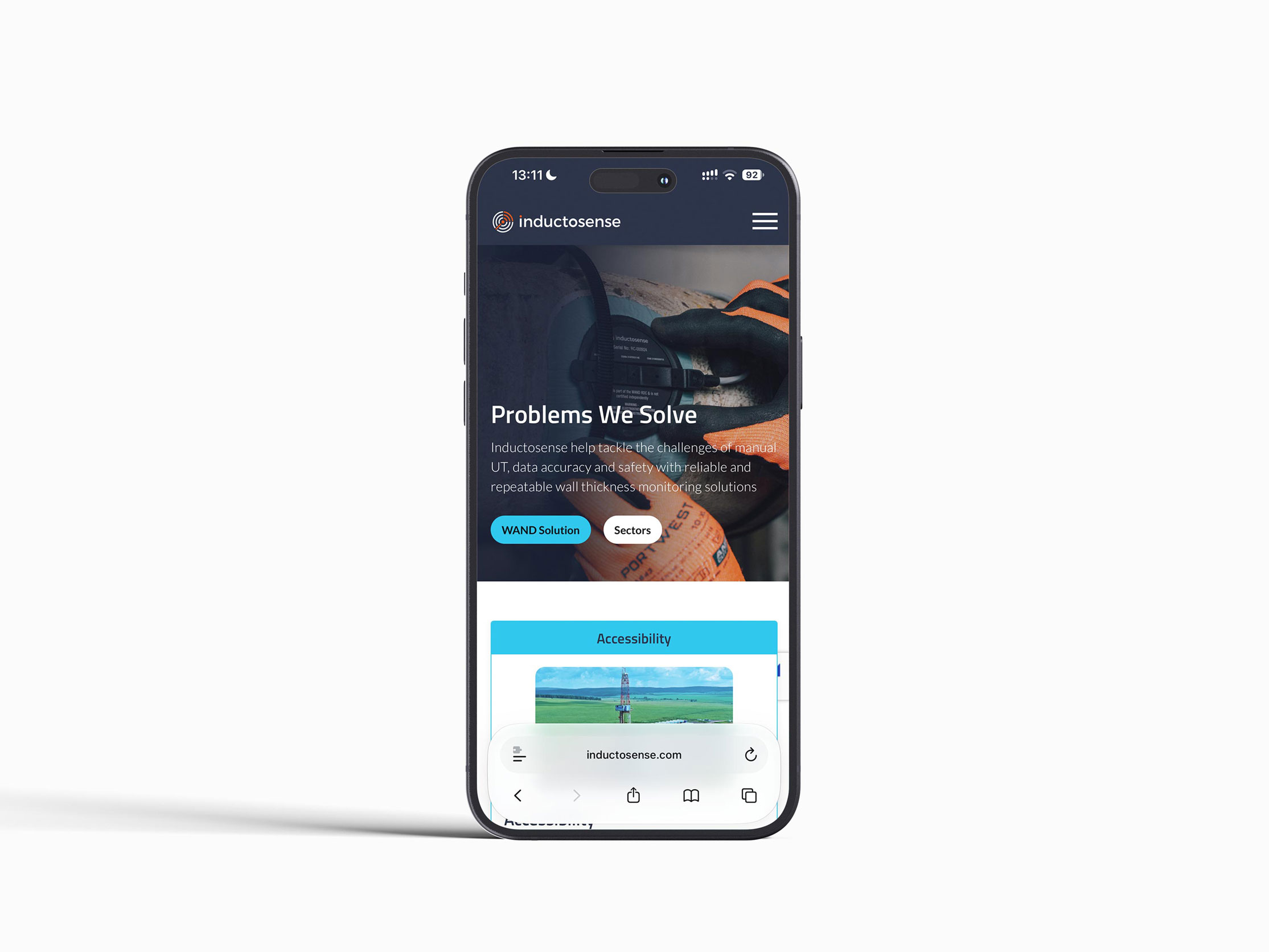
Built around the problems buyers recognise. Nobody searches for a category they do not know exists. The site leads with the problems operators already have, difficult access, unreliable manual readings, unplanned shutdowns, and works back to the technology from there. It meets buyers in the language they already use.
One story, on the stand and on the site. The messaging framework runs consistently from the exhibition conversation through to the website, so a prospect who visits after a show finds exactly what the team told them, with the depth to take it further.
CLIENT FEEDBACK

Jodie Lovell
Marketing Manager, Inductosense
“Appeal were an absolute pleasure to work with. From the very start, their expertise, creativity and collaboration was excellent. We couldn’t be happier with our new website and how it has elevated and modernised our marketing.”
Result.
The new site has landed well. On-site engagement is up, and prospects are going further into the content rather than bouncing off a proposition they had not encountered before.
The bigger change is pace. New pages, new sector angles, refined positioning, all handled in house and live in days. When the message shifts, the website shifts with it, which is exactly what a business creating a new category needs.
Stuck with your website?
If you can't make changes, or your website isn't performing, we should talk.
More of our work.
-
WordPress website, Reapit integration and SEO migration for a leading UK letting agent.

WordPress website, Reapit integration and SEO migration for a leading UK letting agent.
New brand, live Reapit integration, and stronger search rankings. -
WordPress site restructure and support for a top 100 UK Law Firm.
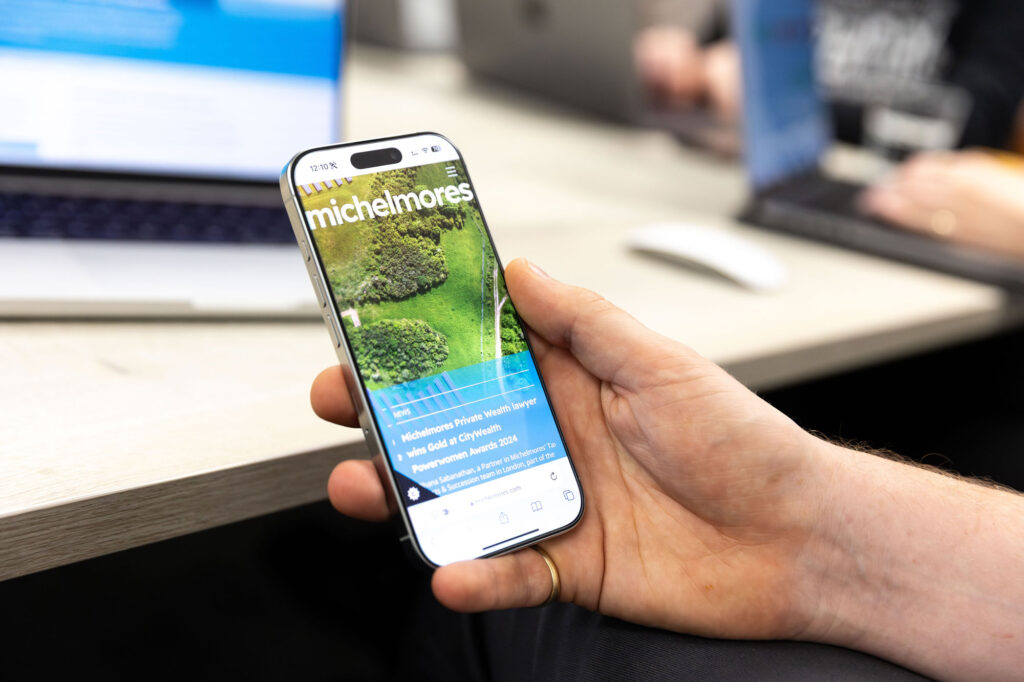
WordPress site restructure and support for a top 100 UK Law Firm.
Michelmores' website used to dictate the content. Now the firm's own team does. -
WordPress integration and brand development for a leading independent insurance broker.
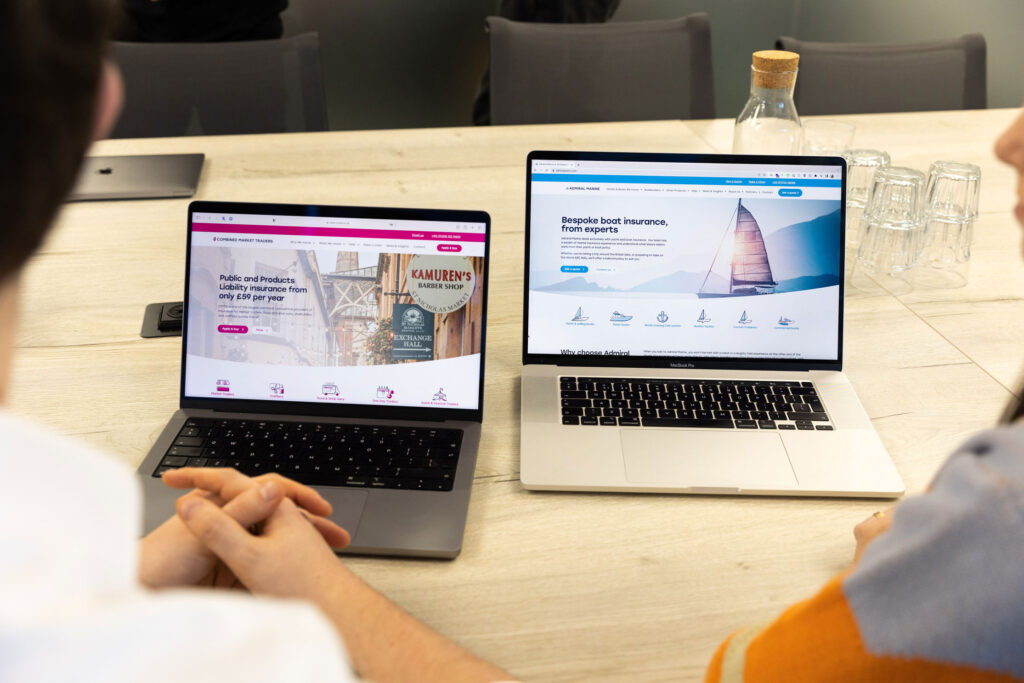
WordPress integration and brand development for a leading independent insurance broker.
Replacing an iFrame widget with a platform Hayes Parsons now fully owns. -
Ecommerce, custom logistics software and ongoing optimisation for the UK's largest steel lintel stockist.
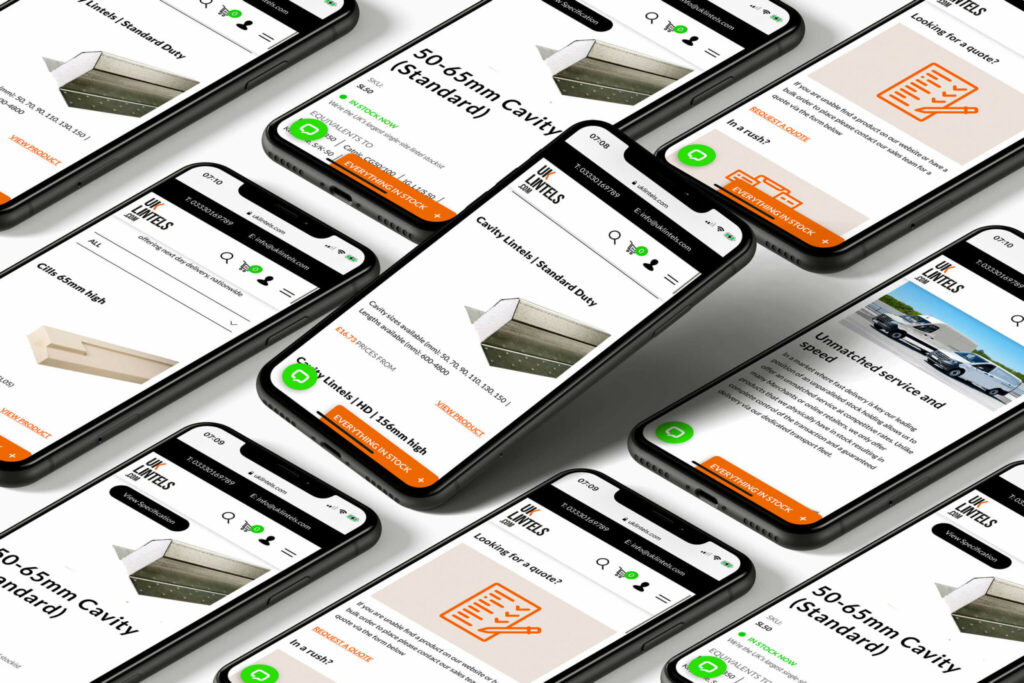
Ecommerce, custom logistics software and ongoing optimisation for the UK's largest steel lintel stockist.
Custom ecommerce, made-to-order lintel configurators, and back-office software built for five ...